
Tech blog & updates
Robonomics 5.0, part three: the devices and the people who use them
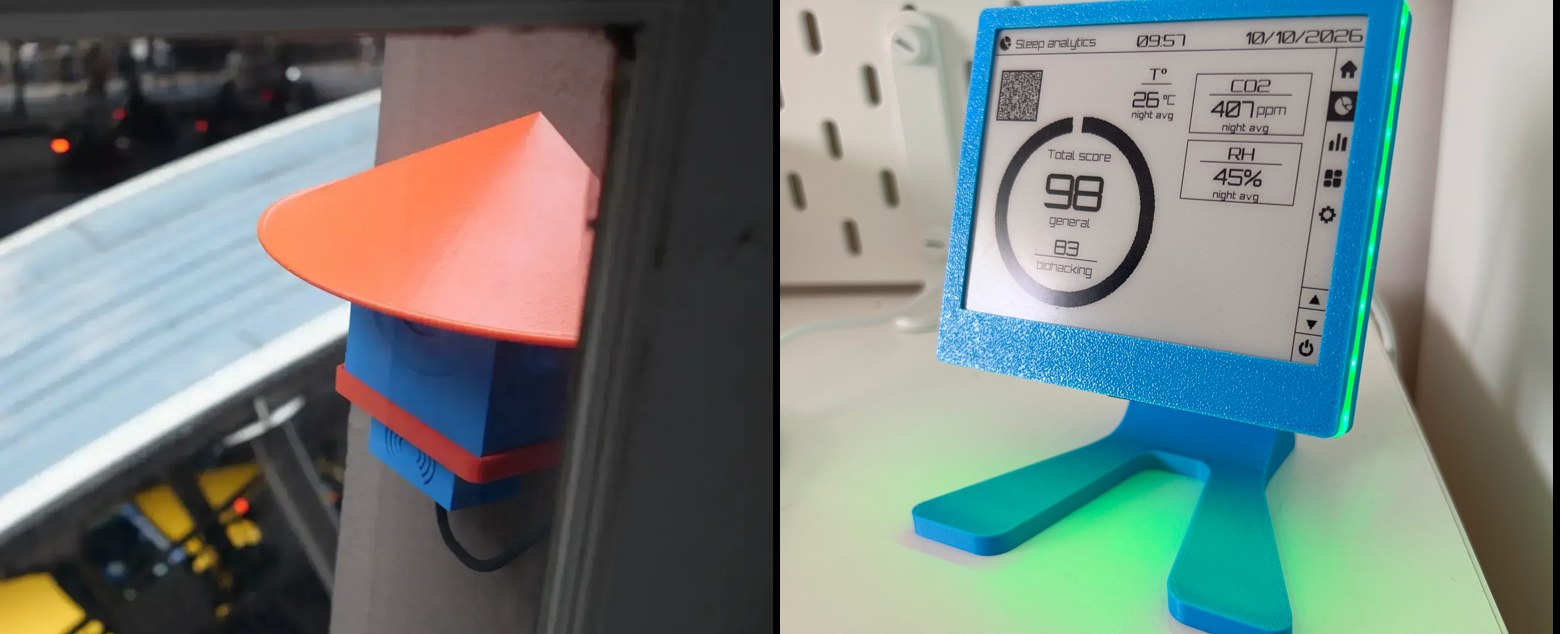
The last part of the series: the Altruist sensors that sit on balconies and desks, how their firmware is built and delivered, how every unit is tested before it ships, and what people see on sensors.social and in the new Android app.
Robonomics 5.0, part two: one signed envelope, from the sensor to the chain
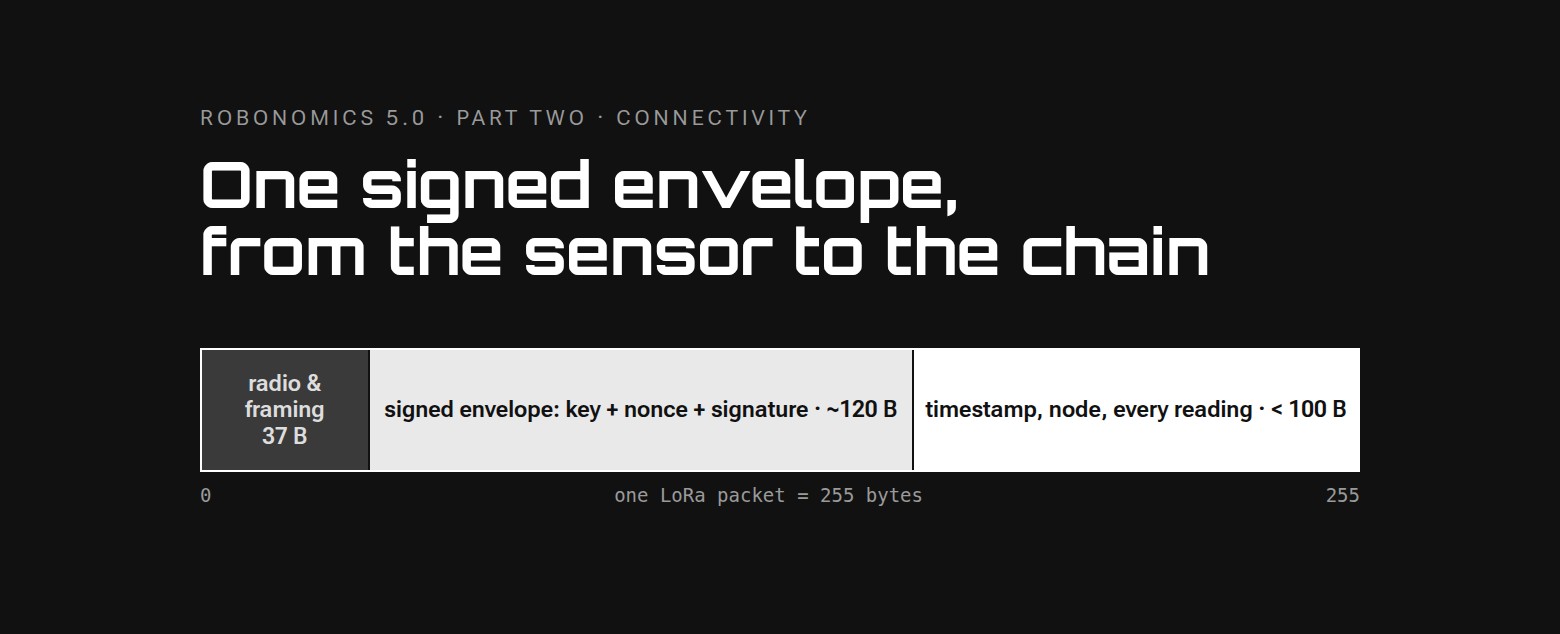
The connectivity layer of Robonomics 5.0: a protobuf envelope the sensor signs once and nobody re-encodes, a message format squeezed to fit a LoRa packet, and a cloud pipeline that writes compressed batches of signed readings straight into the CPS pallet.
robonomics.app, feature by feature: what the app does today and what we fixed
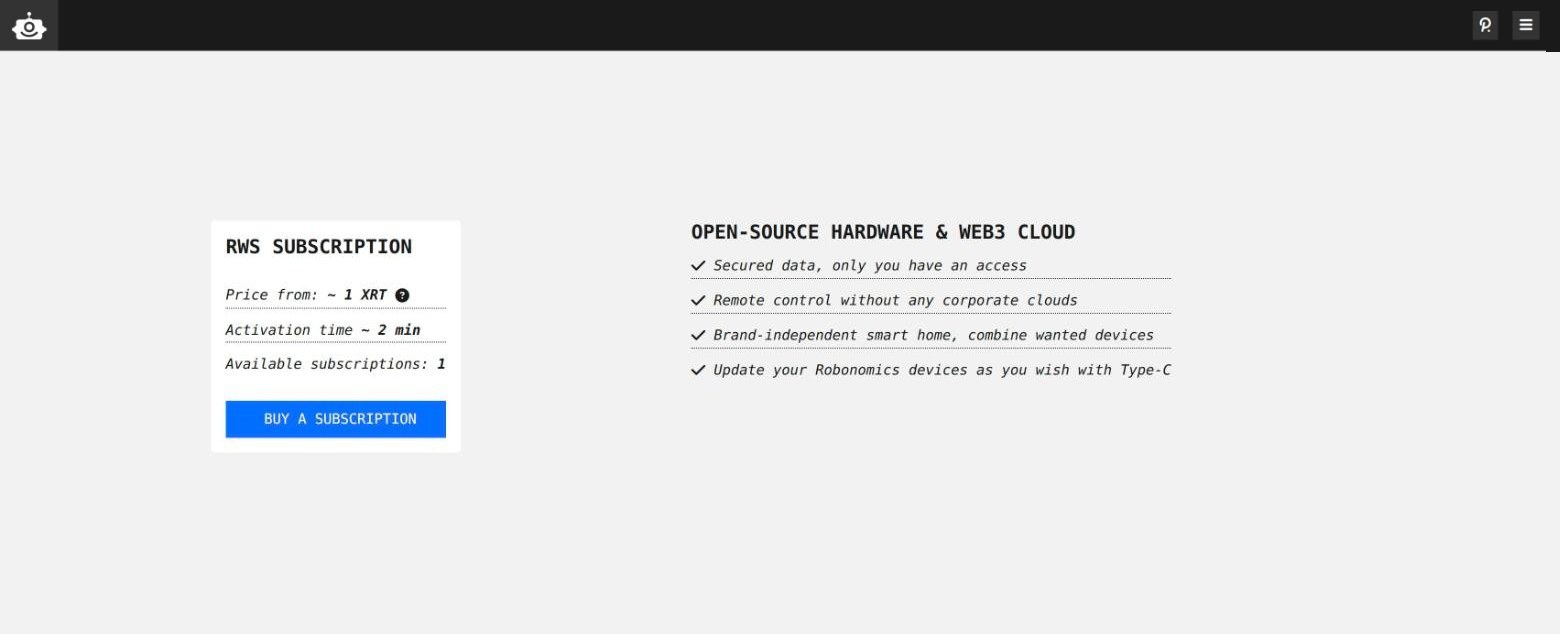
A walk through every screen of robonomics.app — the subscription, setups, the Home Assistant control panel, sensor pages — plus the broken links we fixed this week and the list of what comes next.
Sudo is gone: the Robonomics cloud is now run by its community
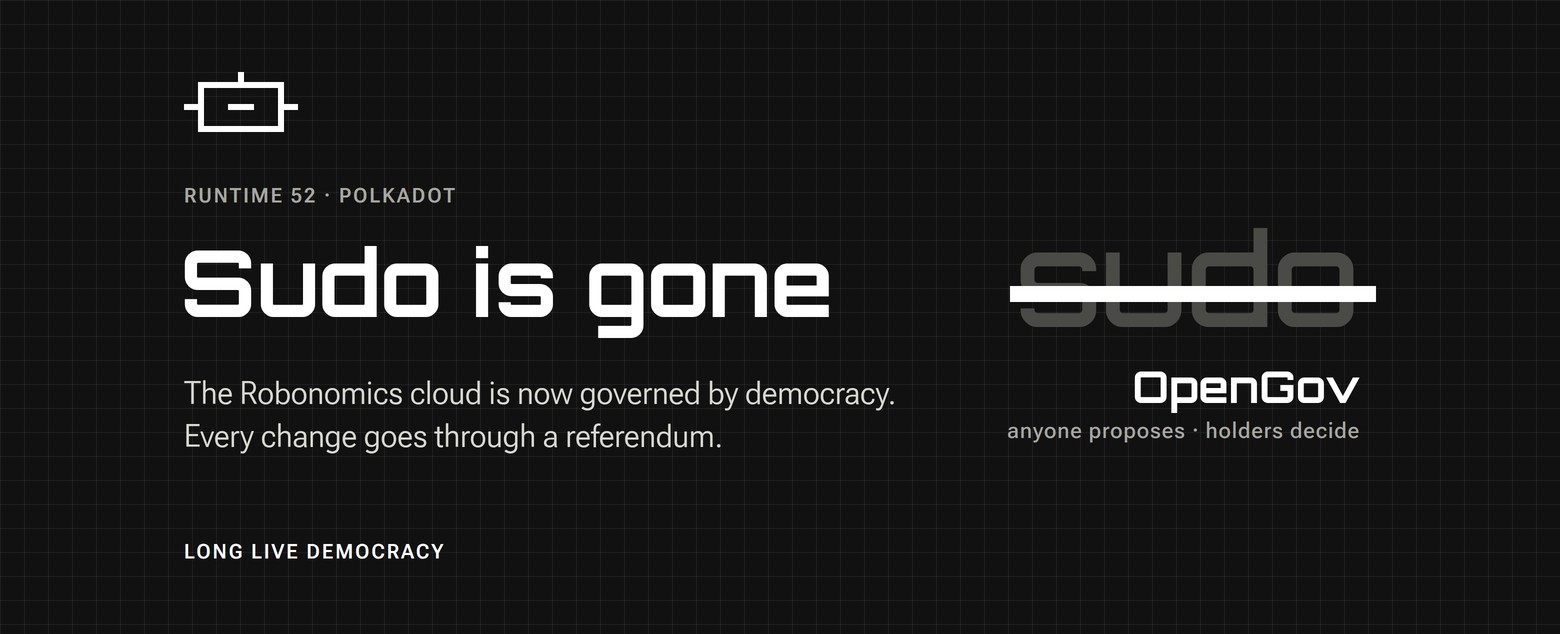
The Robonomics cloud on Polkadot no longer has a developer key. What that means, how to propose a change and vote now, and what else is new in version 52.
Robonomics, July to September 2026: what sensors can do now
Sensors on Robonomics can now sign every measurement, encrypt data for their owner only, and work where there is no Wi-Fi. A report on what the team shipped from July to September 2026.
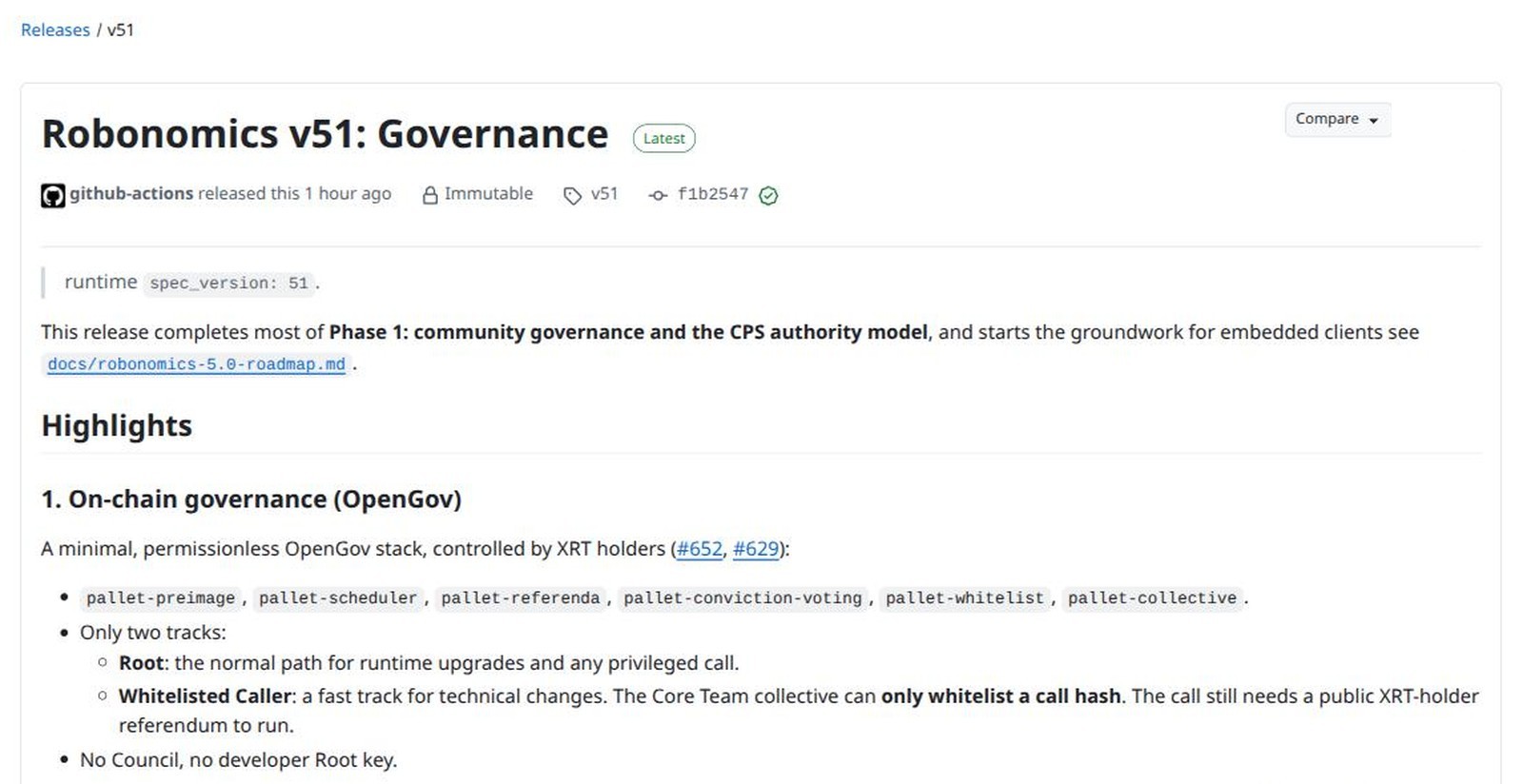
Robonomics release 51: governance goes to XRT holders, CPS gets Scope and Access
Release 51 completes most of Phase 1 of the Robonomics 5.0 roadmap: a minimal OpenGov controlled by XRT holders, the Scope / Access authority model for CPS, and a metadata crate for embedded clients.
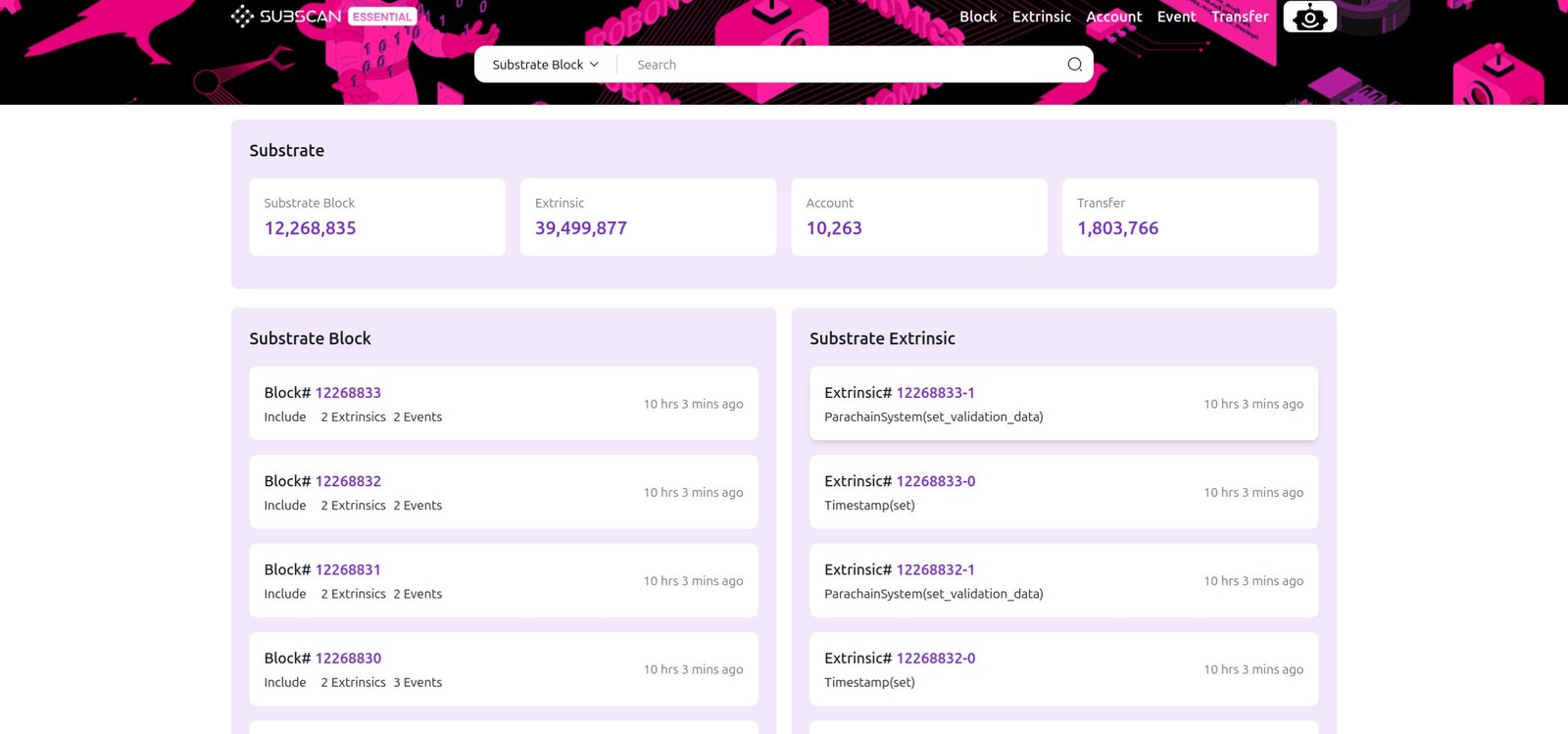
The Robonomics parachain on Kusama has stopped
On September 28 the Robonomics parachain on Kusama produced its final block, #12,268,835. The R&D stage is over. Kusama XRT balances move to Polkadot with a +20% bonus.
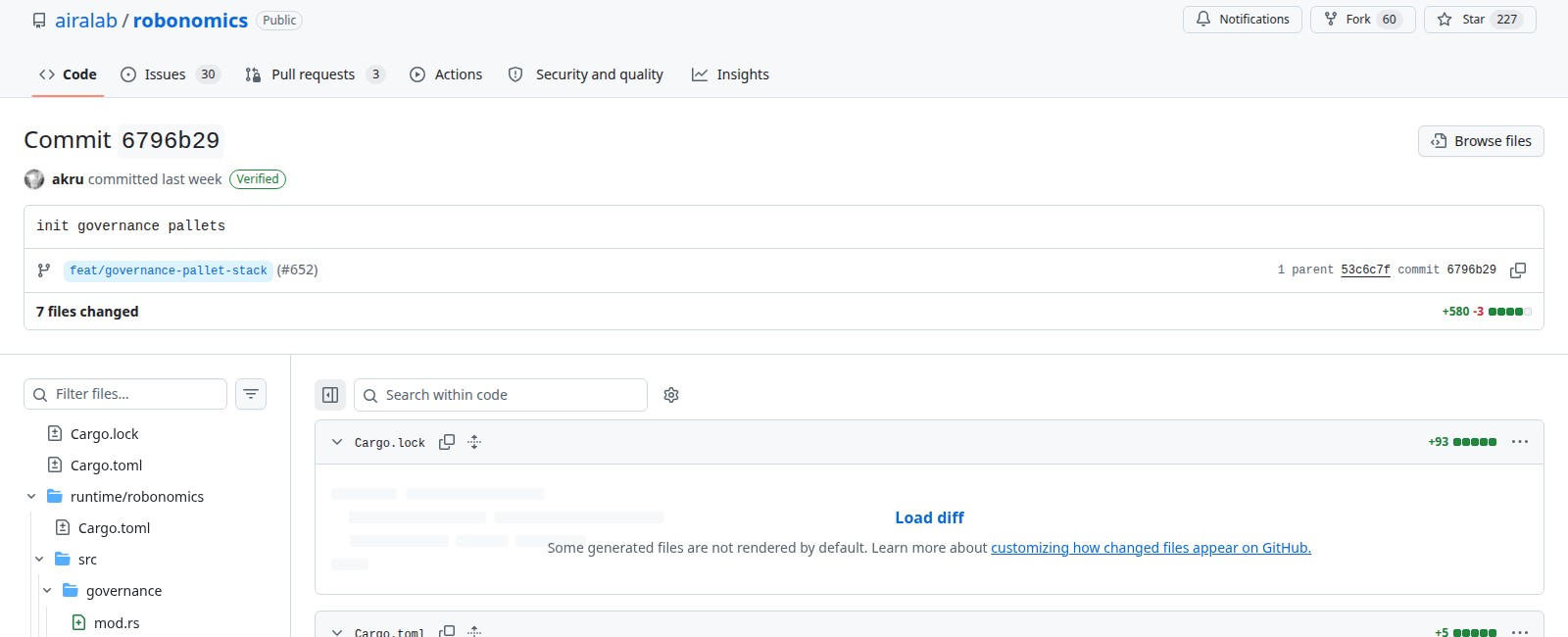
Robonomics 5.0: handing the keys to XRT holders
Today governance of the Robonomics parachain comes down to a developer multisig. Starting with version 5.1 we give that privilege up in favour of standard Polkadot OpenGov, configured for a project with a small community: a permissionless Root track, a whitelisted fast track, and XRT holders deciding both.
Robonomics 5.0, part one: the summer we took the protocol apart
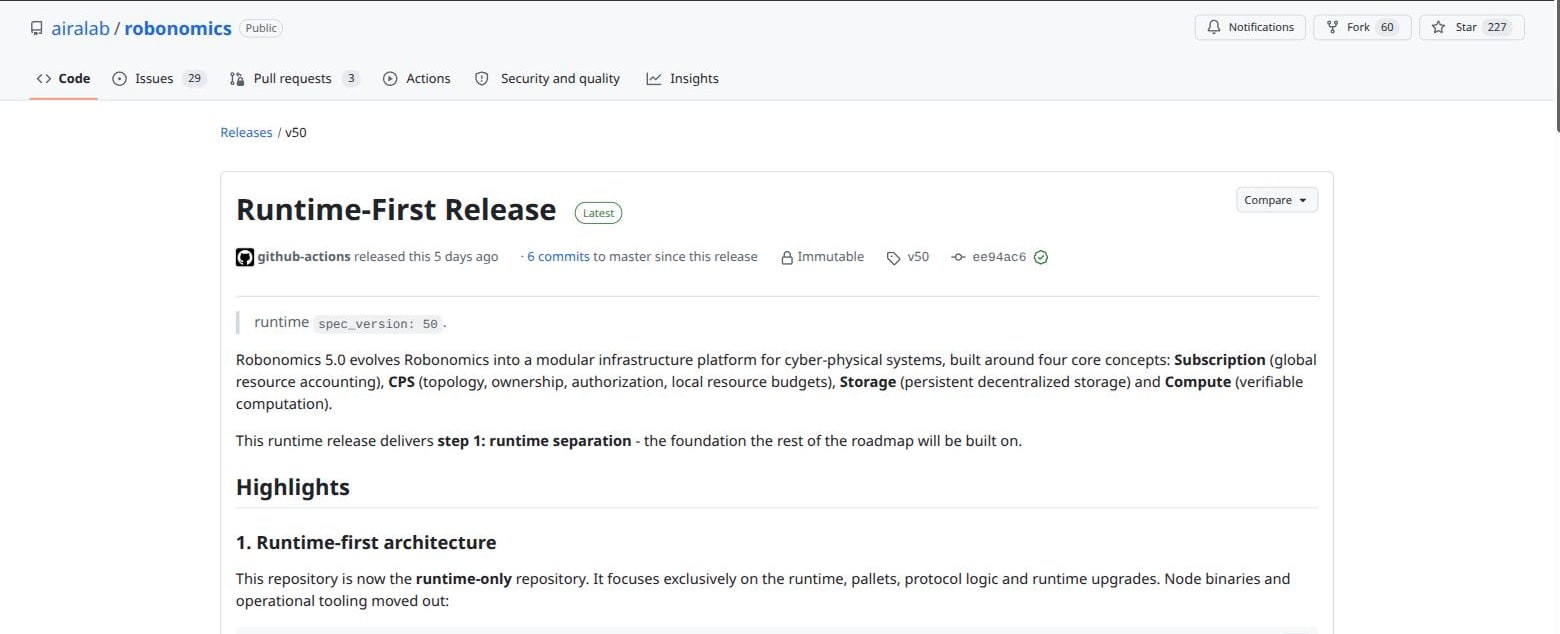
Over the summer Robonomics stopped being a blockchain node with robotics pallets attached and started becoming an infrastructure protocol for cyber-physical systems. Release 50 — Runtime-First — split the runtime from the binaries, moved collators onto polkadot-omni-node, and put the 5.0 architecture on paper: CPS, Scope, Subscription, Storage, Compute, Policy.
Collator rewards, measured: runtime 43 from the operator seat
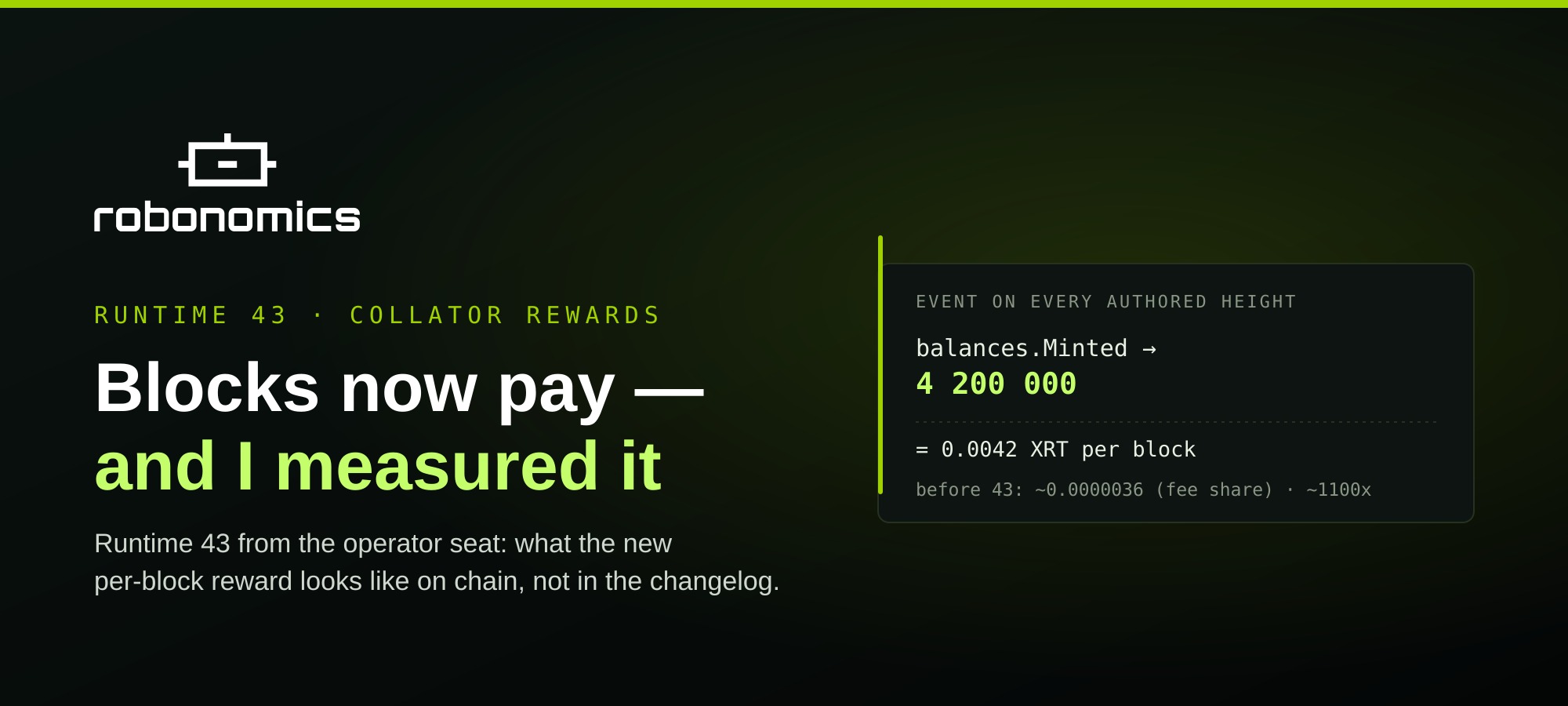
Runtime 43 introduced collator rewards on the Polkadot side of Robonomics. I run a collator, so I watched it land — the client update, a silent Prometheus port collision, a candidacy that was never actually registered, and the first minted block rewards, verified on chain rather than taken on trust.

Ethereum R&D Stage migration has begun
The on-chain migration of R&D-stage XRT on Ethereum is live. Eligible holders can now claim production XRT 1:1 — plus a +20% migration bonus — through an open-source claim contract. Here is how it works, end to end.
Robonomics Production Stage & Production Tokenomics Launch
After 11 years of R&D, Robonomics is moving to its production stage — the first web3 project to reach production with a physical consumer device built around real network usage. This post lays out the production-stage tokenomics: XRT migration from the R&D chain, the new 5.1M supply cap and its allocations, the burn of all dead funds, emission, and forecasts.